It’s Hurricane Season… Are You Prepared?

- Details
- Category: Seasonal
- Published: Wednesday, 17 June 2026 00:01
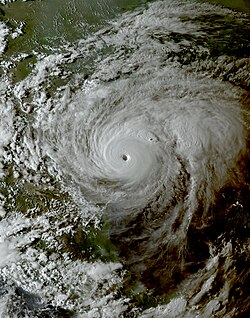
Hurricane season has begun. We need to be ready. Hurricane Alicia (1983), and tropical storms Allison (2001) and Arthur (2026) should serve as reminders of how quickly a storm can form and be on top of us. We don’t always get a lot of advance notice about tropical weather systems, so it is a good idea to stay prepared throughout the season which lasts from June through November.
- As a storm approaches, keep your radio or television on and listen for National Weather Service watches, warnings, and advisories. Keep a battery-operated radio and fresh batteries available for use in case of electrical power failure.
- Keep your cell phone charged and turn on emergency weather notifications.
- Never let your car’s gas tank become less than half full during a hurricane watch. If electric power fails, filling station pumps may not operate.
- Store valuables and important papers in watertight containers. Be sure to protect family mementos such as photographs that cannot be replaced.
- If your house is out of danger from storm surge and is built well, it is probably the best place to weather the storm.
- Check on everything that might be torn loose or blown away. Garbage cans, patio furniture, garden tools, and awnings can become deadly projectiles in a hurricane. Store any loose items indoors.
- Stock up on non-perishable foods that can be eaten with little preparation or without cooking. Be sure you have a working manual can-opener -- not all cans have pull-tabs.
- Board up windows or put storm shutters in place. When you board up, use good lumber and fasten it securely. Makeshift boarding may do more damage than none at all.
- Sterilize your bathtub, jugs, bottles and cooking utensils. Fill them with drinking water in the event city water service is interrupted. You may need water for several days.
- Have flashlights or other emergency lights handy and in working condition. Keep a fresh supply of batteries or fuel. Open flame lights such as candles should not be used.
- If the center or “eye” passes over you, there will be a lull in the wind lasting from a few minutes to half an hour or more. Stay in a safe place. Make emergency repairs during the lull if necessary, but remember that the wind will return suddenly from the opposite direction, frequently with even greater force.
- If you decide to evacuate, notify someone who is not in the predicted storm path of your destination and route.
- Make sure you have extra clothing, baby goods, and any prescription medicine you might need.
Hurricanes and tropical storms are a part of living on the gulf coast. The best thing to do when one approaches is to remain calm. With a little common sense and preparation, you can turn a major disaster into a minor inconvenience. Just ask those who have lived here the longest.